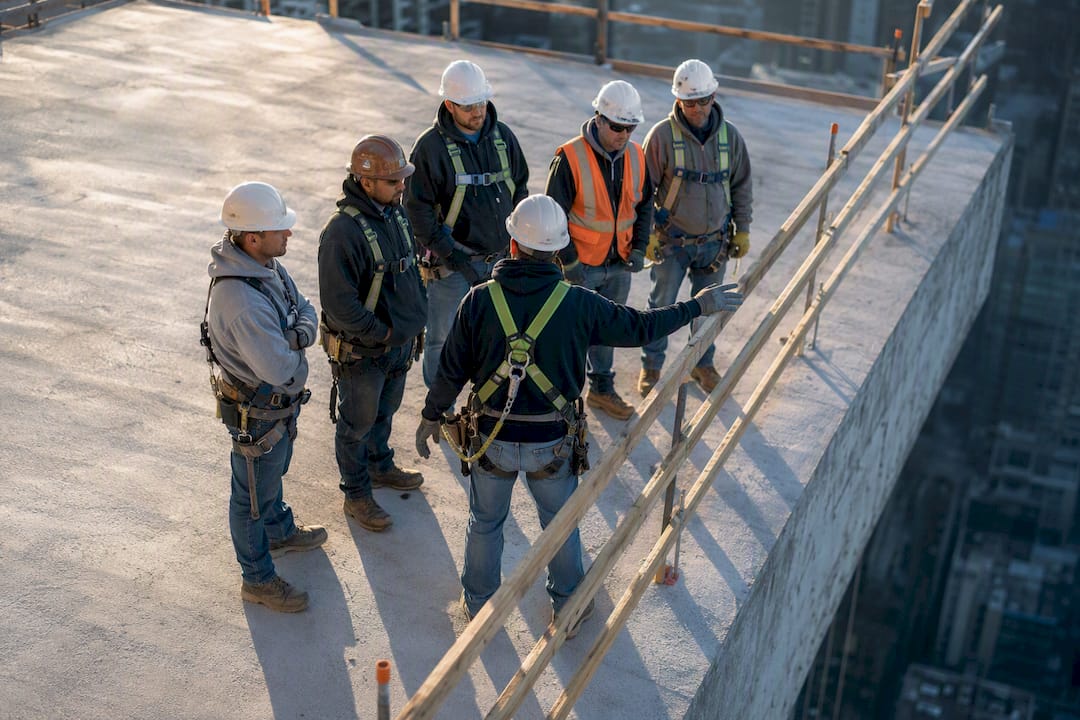
A safety stand-down is a voluntary pause in work so your crew can focus entirely on one hazard, and you can schedule one this week. Pick a date, assign a lead, choose one short activity like a toolbox talk or an equipment inspection, and you’re already ahead of most sites. The sections below walk through checklists, activity ideas, and the documentation steps you need to make it count.
TL;DR:
- A safety stand-down should focus on a specific hazard tied to current site risks and include clear documentation of attendance, activities, and follow-up actions.
- Incorporating hands-on demonstrations and interactive activities significantly increases crew engagement and retention during the event.
- Registering with OSHA and collecting detailed records, including photos and action items, provides valuable proof for audits and safety reviews.
- Post-stand-down, all corrective actions must be assigned and tracked to ensure long-term risk reduction and safety program updates.
- Using digital tools and templates streamlines planning, documentation, and reporting, especially across multiple sites and diverse crews.
Table of Contents
- What Is a Safety Stand-Down, and Why Does It Matter?
- How Long Should a Stand-Down Last, and Who Should Attend?
- How Do You Plan a Stand-Down Step by Step?
- What Activities Work Best During a Stand-Down?
- How Do You Document Participation and Register With OSHA?
- How Do You Turn a Stand-Down Into Lasting Change?
- Where Can You Find Templates and Campaign Materials?
- What Do Digital Records and Ready-Made Topics Add to the Process?
- Why Most Stand-Downs Underdeliver, and What Actually Fixes That
- How Automated Safety Meeting Tools Simplify Stand-Down Planning
- Sources
What Is a Safety Stand-Down, and Why Does It Matter?
A safety stand-down is a scheduled interruption where employers stop production to talk directly with workers about a specific safety topic, most commonly fall prevention, struck-by hazards, or heat and fitness for duty. The concept gained national traction through OSHA’s National Safety Stand-Down to Prevent Falls in Construction, which happens annually and gives employers of every size a reason to hit pause.
The format works because it forces focused attention that a routine morning briefing rarely gets. A dedicated stand-down carves out time for real discussion, live inspections, and hands-on training instead of a rushed rundown before the first task starts. Employers who register can receive a Certificate of Participation from OSHA, which gives supervisors a tangible record to show leadership and clients that safety isn’t an afterthought.
How Long Should a Stand-Down Last, and Who Should Attend?
There’s no single correct length. A short toolbox talk works for a single crew mid-shift, while an extended event suits larger sites tackling multiple hazards at once. Formats like these range from brief talks to full themed events, so match the scope to your schedule rather than forcing a template.
Include every worker on site that day, along with subcontractors, supervisors, and any safety champions who can help run stations. Schedule around weather and production deadlines, and give crews at least a few days’ notice so attendance doesn’t collide with critical deliveries.
How Do You Plan a Stand-Down Step by Step?
Running an effective stand-down comes down to sequencing. Skip a step and you’ll either lose attendance or lose the paperwork that proves it happened.
Before the event:
- Pick one topic tied to your highest current risk (falls, electrical, confined space).
- Set a date and assign a lead who owns the agenda.
- Prepare materials: toolbox talk sheets, PPE inspection lists, and any equipment for demonstrations.
- Confirm a location that fits the crew and has shelter or shade if needed.
Logistics to lock down:
- Audio setup if the group is larger than one crew.
- Seating or standing area away from active work zones.
- A rain or heat contingency plan.
- Translated handouts if the crew includes non-English speakers, since CPWR provides multilingual materials built for exactly this situation.
During the event, a simple agenda keeps things moving: welcome and purpose (2 minutes), toolbox talk or demo (10 to 15 minutes), open floor for questions, then a clear call to action before releasing the crew. Capture attendance as people arrive, either on paper or through a mobile sign-in tool.
After the event, assign corrective actions to specific people with deadlines, update your job hazard analyses to reflect what came up, and schedule a follow-up walk to verify fixes stuck.
Pro Tip: Run your inspection checklist before you announce the topic. If the walk-through turns up a hazard worth highlighting, you can build the whole stand-down around it instead of guessing what crews need to hear.
What Activities Work Best During a Stand-Down?
Lecture-only formats lose people fast. Crews stay engaged longer when the activity gives them something to do with their hands, not just something to listen to. CPWR’s research on stand-down engagement backs this up: hands-on demonstrations, like a live harness inspection, consistently outperform straight lecture formats for holding crew attention.
Options that work across trades and crew sizes:
- a short toolbox talk on one hazard, using a prompt like “show me where this could fail on our site today.” Browse construction safety meeting topics if you need a starting list.
- A harness or fall-arrest equipment inspection where workers check their own gear alongside a supervisor.
- A mock rescue demonstration for confined space or elevated work crews.
- A quick quiz or scenario walk-through to test retention before releasing the group.
- A full-day event built around daily themes, rotating topics like ladders, scaffolding, and PPE across morning sessions.
For a roofing crew, that might mean walking through a commercial roof inspection checklist as the day’s centerpiece activity. For a five-person residential crew, a brief toolbox talk with a hands-on gear check covers the same ground without pulling anyone off schedule for long.
How Do You Document Participation and Register With OSHA?
Documentation is what separates a real stand-down from an informal chat. At minimum, record the date, every attendee’s name, the topic covered, total time spent, and how attendance was captured, digitally or on paper.
To register with OSHA, employers can submit their stand-down details through the official Stand-Down FAQ page and receive a Certificate of Participation once confirmed. That certificate becomes useful evidence during audits or client safety reviews.
Beyond the basics, strong documentation includes:
- Timestamped photos of inspections or demonstrations.
- A tracked list of action items generated during the event, with owners assigned.
- Secure, retrievable storage so records survive years of audits, not just the next inspection.
Guidance on construction document control covers how to organize these records so they hold up when someone asks for proof six months later.
How Do You Turn a Stand-Down Into Lasting Change?
A stand-down that ends with a pat on the back and no follow-through was a wasted afternoon. Every corrective action identified during the event needs an owner and a deadline, tracked until it closes, not just noted and forgotten.
Update your fall-protection plans, job hazard analyses, and training schedules to reflect what came up. OSHA and CPWR guidance both point to this same conclusion: a stand-down only reduces risk long-term when its findings feed back into the written safety program. Track impact through incident trends, inspection pass rates, and training completion rates over the following months.
Where Can You Find Templates and Campaign Materials?
You don’t need to build materials from scratch. OSHA’s Stand-Down campaign page hosts planning suggestions and regional coordinator contacts, while CPWR and NIOSH publish downloadable toolbox talks and multilingual handouts ready to print.
Templates worth keeping on hand:
- A digital or paper attendance sheet.
- An equipment inspection form matched to your trade.
- A short post-event report template covering topics, action items, and attendance.
Adapt these for small crews by trimming the agenda to a single talk, or for specialty trades by swapping in trade-specific hazards, like safety considerations plumbers navigate on residential jobs.
What Do Digital Records and Ready-Made Topics Add to the Process?
Paper sign-in sheets get lost, smudged, or left in a truck. Timestamped digital attendance records solve that, and pairing photos with sign-in data strengthens your file if a regulator or client ever asks for proof.
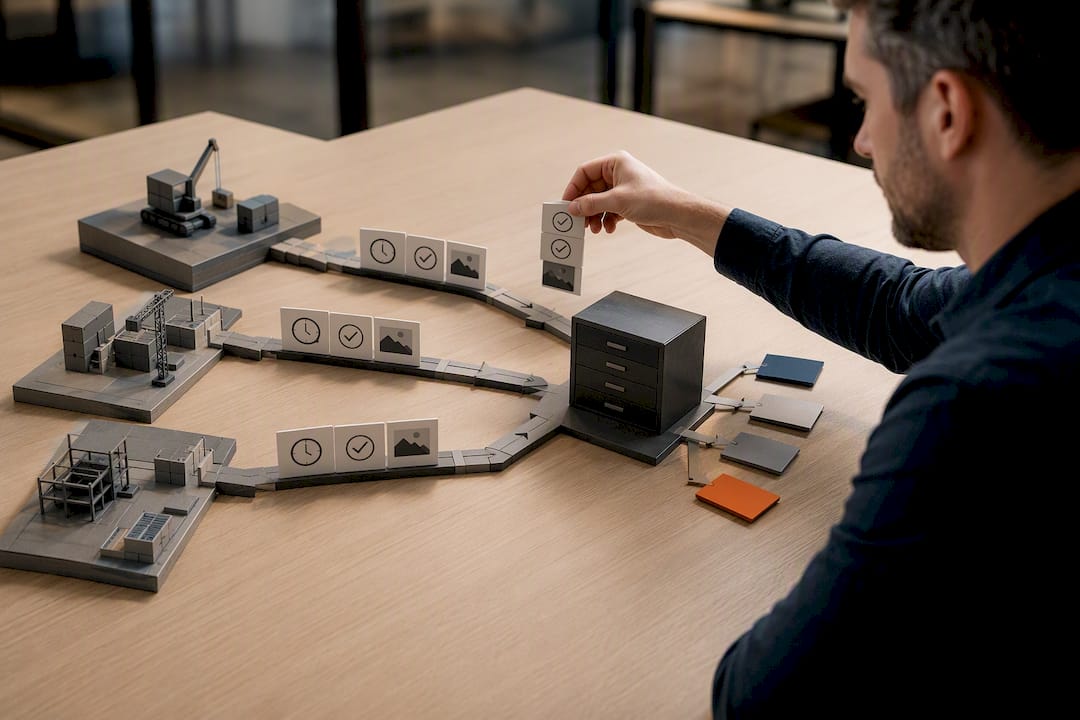
Templated, ready-made toolbox talks help too, especially when you’re covering multiple trades or languages across a multi-site operation. Assign a regional champion per site, reuse the same media assets across locations, and scale the same core content without rebuilding it every time.
Pro Tip: Save every stand-down’s talk sheet and photos in one folder by date. Six months from now, when you’re planning next year’s event, you’ll have a ready-made library instead of starting over.
Why Most Stand-Downs Underdeliver, and What Actually Fixes That
Most stand-downs fail for a boring reason: they get planned the week they happen, with no topic tied to an actual site risk. That guarantees a generic lecture nobody remembers by lunch. The fix isn’t more enthusiasm. It’s picking a topic from an actual inspection finding or near-miss, then building the shortest activity that gets the point across.
Scale matters less than people assume, too. A five-person crew running one sharp 15-minute talk on a real hazard beats a 200-person site running a scripted half-day event nobody engages with. Start small, document what you did, and build from there.
“A safety stand-down should spark genuine cultural alignment, not administrative chaos. MySafetySolution handles the scheduling, content generation, and multi-crew attendance tracking so leaders can focus entirely on the message.”
— Matthew Hoffman, President - MySafetySolution
How Automated Safety Meeting Tools Simplify Stand-Down Planning
Running a stand-down well means juggling a topic, an agenda, attendance, and follow-up paperwork, often across multiple crews and sites at once. A mobile system can replace that juggling act with digital sign-in with timestamps, ready-made toolbox talk topics ranked for your trade by OSHA injury and citation data, and compliance records that stay organized for audits without extra spreadsheet work.
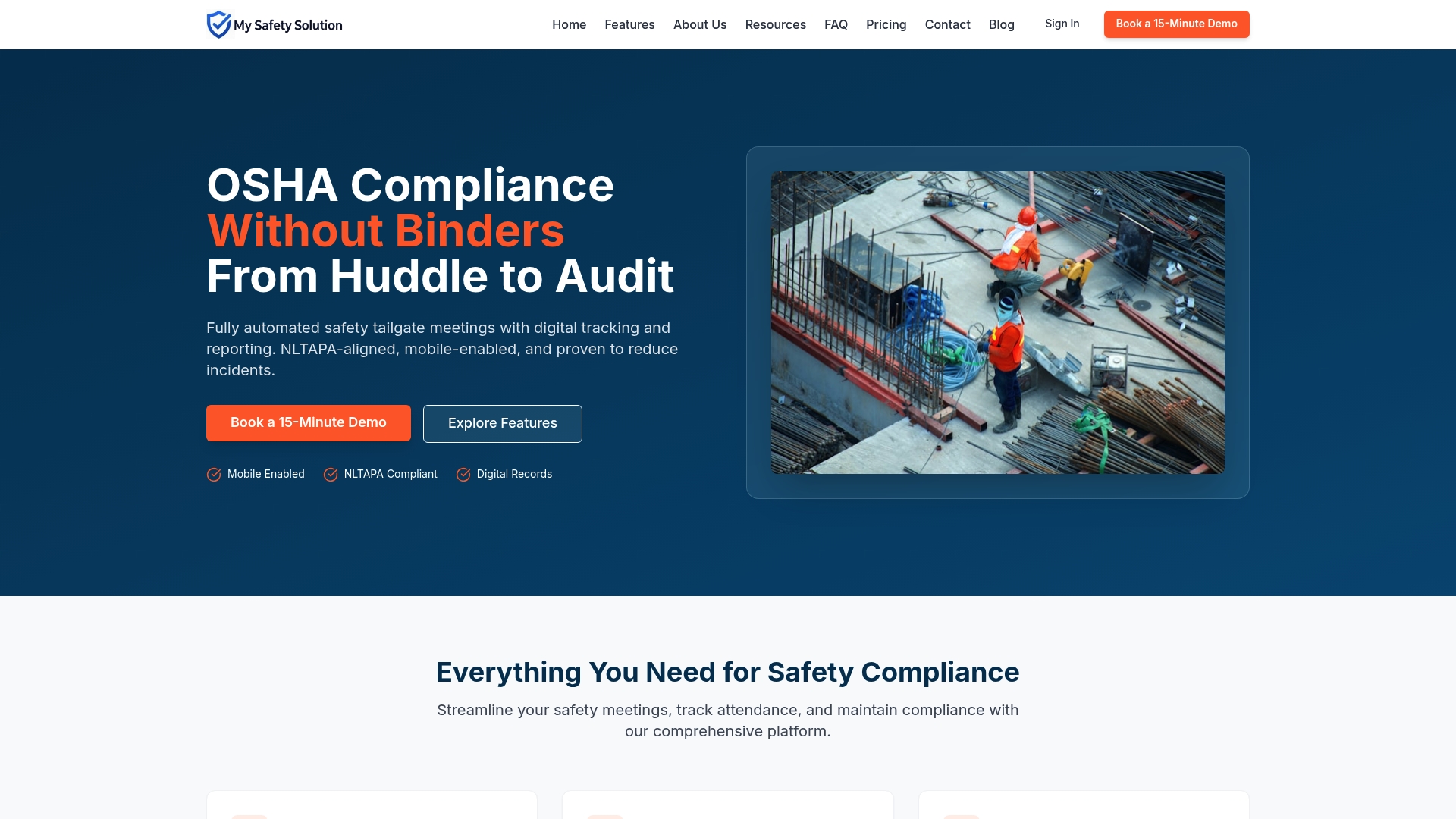
Instead of building an attendance sheet from scratch or chasing down signatures after the fact, your crews sign in on a phone and the record is done. Templates cover the topics you’re already planning to run, and training records are ready to export as PDF for the next safety review. See how it works on the safety meeting software page for manufacturing built for high-risk, deskless teams, or start your 15-day free trial of My Safety Solution and run your next stand-down with the paperwork already handled.